Demolition Tycoon 3D — A Worksite Field Guide
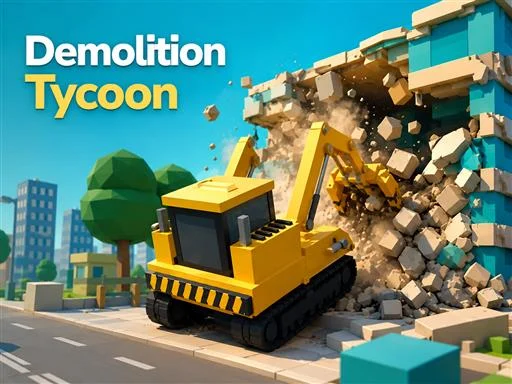
Demolition Tycoon 3D presents a stylized demolition worksite where structures, machinery, work zones, and status panels share the screen. Read it as a field guide to visual change: first establish what is still standing, then compare that structure with the area altered by the current activity.
Start with the work zone
The central work area should be identified before smaller interface details. Large structural shapes define the scene, while machinery and highlighted regions indicate where attention is currently directed. Keeping these layers separate prevents the site from becoming a mass of similar industrial color.
Ground boundaries and empty space matter because they reveal the scale of each object. A structure surrounded by clear ground is easier to compare before and after a visible change than one hidden behind panels or effects.
Follow visible progress, not assumptions
A demolition theme naturally suggests transformation, but the reliable evidence is what the screen actually shows. Changes in silhouette, cleared space, debris, or status indicators can communicate development without requiring invented claims about upgrades, income systems, levels, or unlocks.
Open Demolition Tycoon 3D to inspect the current worksite, and use the Clicker Games category as an early route to related browser titles.
Field checklist
- Identify the main structure before watching effects.
- Use open ground to compare scale.
- Separate machinery from background decoration.
- Notice which status cue changes with the scene.
- Return to the full site after each local event.
Why 3D depth needs restraint
Perspective gives the worksite volume, but overlapping forms can hide important boundaries. Strong edges, measured camera distance, and controlled effects make it easier to distinguish foreground machinery from the structure behind it. Shadows should describe depth rather than erase detail.
When the active region shifts, fixed objects around the site become orientation points. A barrier, road edge, or remaining wall can show how much of the composition has changed. These landmarks give the worksite continuity.
Concise conclusion
The public page supports a clear reading of demolition as visual reorganization. Solid mass becomes open area, machinery supplies scale, and interface cues mark the current focus. This guide stays within those confirmed elements and leaves exact mechanics to the live instructions.
The scene is most useful when every effect leads back to a readable site. Spectacle may mark the moment of impact, but the newly visible arrangement is what prepares the next observation. That balance keeps the industrial theme direct, accessible, and visually coherent.
Compare the site before and after
A practical way to read the worksite is to choose two or three stable references before the visible action begins. After the scene changes, compare the remaining structure with those references. The difference reveals transformation more clearly than focusing on debris alone. It also keeps the wider site understandable when several effects overlap.
Status panels should confirm that change without replacing it. The strongest presentation lets the worksite itself remain the main record of what has happened. Clear spacing around the active machinery also prevents small status cues from blending into the structure, preserving a readable relationship between action, feedback, and the altered site.